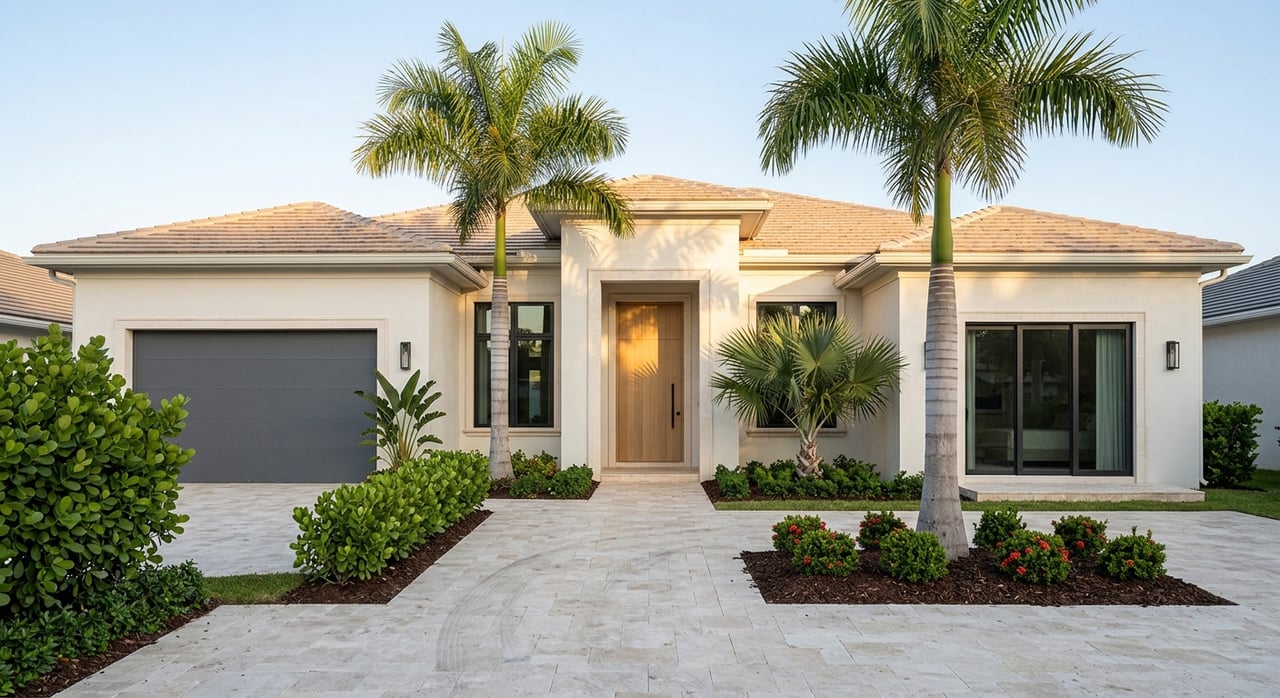
Choosing a second home in Naples sounds simple until you realize how many very different lifestyles fit under one zip code. You may be deciding between beach access, golf, condo convenience, or a more private single-family setting, all while thinking about budget, upkeep, flood considerations, and rental rules. The good news is that you do not need to find the one “best” neighborhood in Naples. You need to find the one that fits how you will actually use the home. Let’s dive in.
Start With How You’ll Use It
If you are buying a second home, your day-to-day lifestyle matters more than the neighborhood’s reputation alone. Naples offers a mix of beach, golf, condo, and inland residential areas, so your best match usually comes down to what matters most to you on a typical stay. The City of Naples neighborhood guide is a useful reminder that there is no one-size-fits-all choice.
In the current market, that matters even more. In the January 2026 NABOR snapshot for Collier County, inventory stood at 6,328 listings, the median closed price was $627,500, and days on market were 97. With Naples’ coastal footprint naturally limited by more than 9 miles of Gulf shoreline, second-home buyers are often choosing between location, maintenance, and budget rather than simply chasing the closest address to the beach.
Know Naples Neighborhood Types
Beachfront and Beach-Adjacent Areas
If your ideal Naples getaway revolves around the sand, start with neighborhoods where beach access shapes daily life. Areas such as Old Naples, Park Shore, the Moorings, Coquina Sands, and Seagate are closely tied to the coast and offer a range of housing styles, from condos to single-family homes. The City of Naples community pages describe these areas as some of the clearest examples of Naples’ coastal neighborhoods.
For buyers open to a community outside the city limits, Pelican Bay is another strong option. According to the Pelican Bay Foundation, the community includes nearly 3 miles of private beaches accessed by tram, plus beach services and beachfront dining. That can appeal if you want a more structured beach experience with built-in amenities.
These neighborhoods often fit buyers who expect to spend a lot of time at the beach, walking, entertaining, boating, or enjoying a coastal setting. The tradeoff is that inventory can be limited, pricing can be higher, and practical issues like parking, insurance, and flood-zone review become more important.
Golf Communities
If your second home is really about golf and club living, your search should look different from a beach-first buyer’s search. Bear’s Paw, Grey Oaks, and Foxfire are useful examples of Naples-area communities built around golf and social amenities. The City of Naples page for Bear’s Paw notes it is one of the few gated golf communities within the city.
Golf communities can work well if you want recreation, dining, and social opportunities built into the neighborhood. They can also make seasonal living feel easier because so much of your routine is already nearby. Still, club dues, membership structure, and community rules should be part of your decision from the start, not an afterthought.
Condo-Focused Areas
Many second-home buyers want a property they can lock and leave with less exterior maintenance. In Naples, Park Shore, Coquina Sands, the Moorings, and Pelican Bay are all good examples of condo-friendly or condo-heavy areas. For example, the City of Naples says Park Shore includes both homes and condos along the Gulf, while the Moorings includes about 4,000 homes and condominiums.
A condo can be a smart fit if you want easier seasonal ownership and fewer exterior chores. At the same time, the building matters just as much as the neighborhood. Monthly fees, renovation rules, rental restrictions, and association policies can all change whether a property feels like a good fit.
Single-Family Neighborhoods
If you want more privacy, interior flexibility, or outdoor space, single-family neighborhoods may rise to the top. Old Naples, Lake Park, River Park, and Aqualane Shores are examples of areas where single-family homes play a stronger role. The city describes Lake Park as a neighborhood of about 450 single-family homes, while River Park includes a mix of housing and business uses.
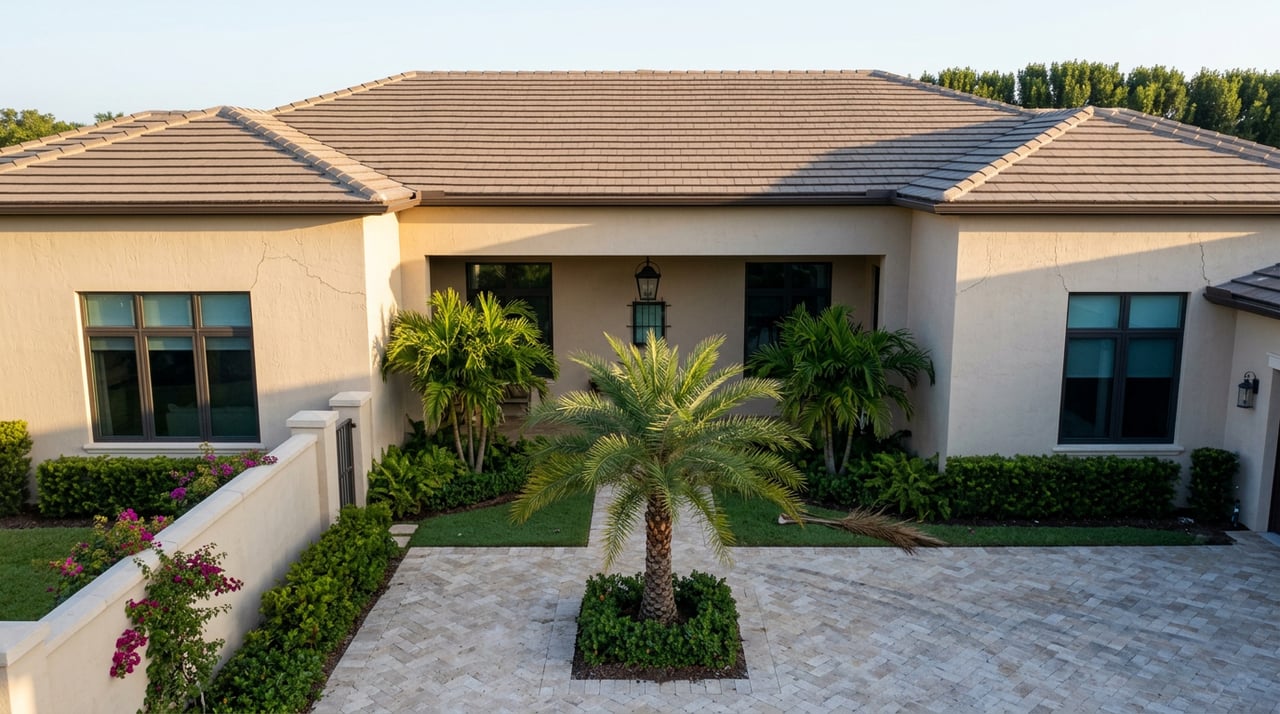
Single-family homes often appeal if you plan to stay for longer stretches or host visiting family and friends. They can offer a more residential feel, but they usually come with more exterior maintenance. In lower-lying coastal locations, they may also require closer review of drainage and flood exposure.
Compare the Tradeoffs Clearly
A second home decision usually gets easier when you stop comparing every neighborhood to every other one. Instead, compare the tradeoffs that matter most to your lifestyle.
| Priority | Best-Fit Neighborhood Type | Main Tradeoff |
|---|---|---|
| Frequent beach use | Beachfront or beach-adjacent | Scarcity, pricing, parking, flood review |
| Club lifestyle | Golf community | Dues, membership terms, rules |
| Low maintenance | Condo-focused area | HOA fees, building rules, rental limits |
| Privacy and space | Single-family neighborhood | More upkeep, stormwater and insurance review |
This kind of side-by-side view can save you time, especially if you are buying from out of area. It helps you focus on daily use, not just marketing appeal.
Don’t Overlook Ownership Costs
The purchase price is only part of the cost of a Naples second home. Ongoing expenses can vary sharply by neighborhood and property type, especially if you are comparing coastal homes, condos, and club communities.
One important tax point is that second-home buyers generally should not assume they will qualify for Florida’s homestead exemption. The Florida Department of Revenue says homestead applies when the property is your permanent residence, and Collier County requires legal title and good-faith permanent residence as of January 1. Save Our Homes protections also apply only to qualifying homestead property.
That means your projected carrying costs should reflect the fact that a second home may be taxed differently from a primary residence. If you are comparing several neighborhoods, this is worth reviewing early so your shortlist stays realistic.
Check Flood Risk Before You Commit
Flood planning is not just a formality in Naples. Coastal and low-lying neighborhoods can have very different levels of exposure, even when they are close to each other.
The City of Naples says its 2024 Flood Insurance Rate Maps are in effect, and buyers can use the city’s flood-zone map tools to check a property. FEMA also identifies the Flood Map Service Center as the official public source for flood hazard information. Just as important, standard homeowners insurance does not cover flood damage.
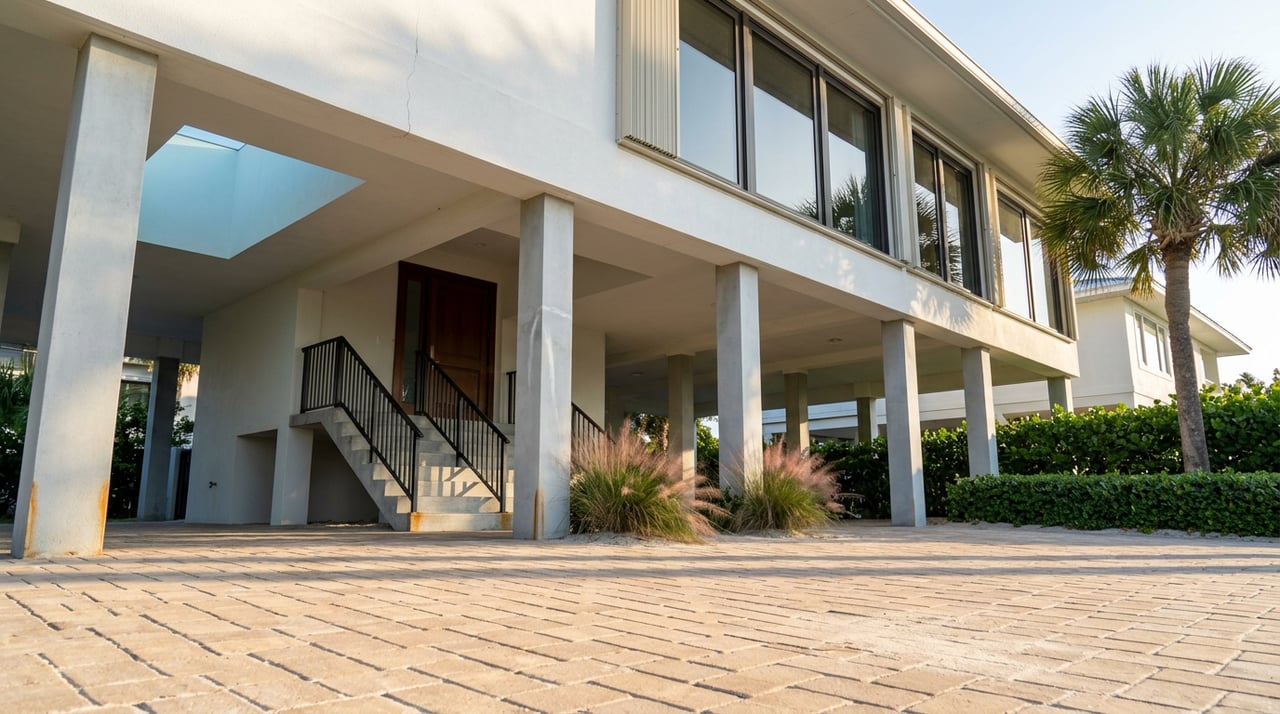
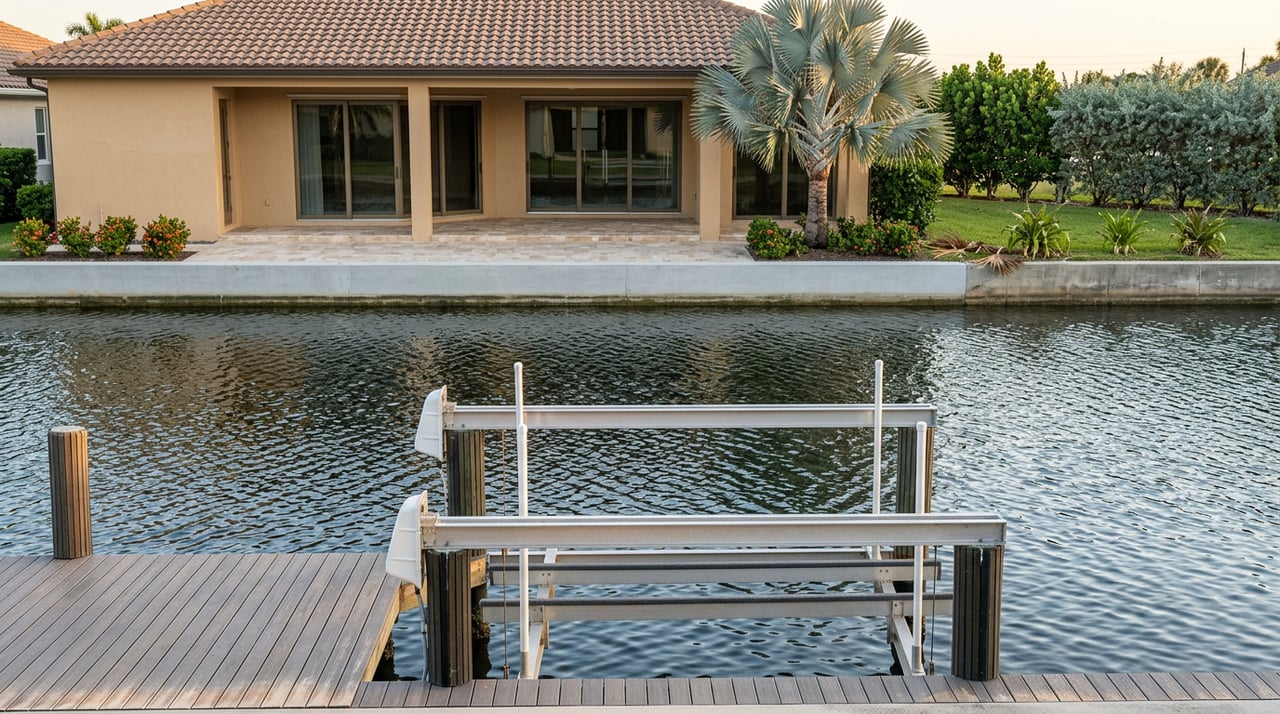
If you are looking at coastal homes, canal properties, or lower-lying areas, flood review should happen early in your search. It can affect insurance, long-term ownership cost, and your comfort level with the property.
Think About Beach Access in Real Life
Many buyers focus on how close a home is to the Gulf, but actual beach use can depend on more than distance. Parking and access rules can shape how convenient the beach feels once you own the home.
The City of Naples explains that beach parking permits are available to Collier County property taxpayers and full-time residents, while visitors generally use permit or pay-by-space parking at city beach accesses. For seasonal owners, that makes practical access part of the neighborhood decision, not just a small detail.
If beach time is the main reason you are buying, it is worth thinking through what a normal Saturday looks like. A neighborhood with slightly less direct beach proximity may still feel like a better fit if access and use are easier for your routine.
Review Rental Rules Early
If you want the option to rent the property when you are not using it, check local rules before you narrow your search. Rental flexibility can vary depending on whether the property is inside the City of Naples or in unincorporated Collier County.
The City of Naples says rental terms generally must be 30 days or longer, with a limited exception for up to three shorter rentals per calendar year. Collier County also has rules for short-term vacation rentals in unincorporated areas when rented more than three times per year for periods under 30 days.
For condo buyers, this issue can go even deeper because association documents may be more restrictive than city or county rules. If rental income or flexibility matters to you, that should be one of your first screening questions.
A Simple Way to Narrow Your Search
When you are buying from afar, the easiest method is to start with the one feature you expect to use most. That first decision usually narrows the neighborhood list quickly.
Here is a practical way to think about it:
- Beach first: Start with Old Naples, Park Shore, the Moorings, Coquina Sands, Seagate, or Pelican Bay.
- Golf first: Focus on Bear’s Paw, Grey Oaks, or Foxfire.
- Low-maintenance ownership: Prioritize condo-heavy coastal communities.
- Privacy and space: Look more closely at single-family areas such as Old Naples, Lake Park, River Park, or other residential pockets.
This approach works because it reflects how Naples neighborhoods actually differ. In many cases, the real decision points are beach access, club structure, maintenance level, flood exposure, and rental rules.
Choose Fit Over Hype
The right Naples neighborhood for a second home is the one that supports the life you want to live when you are here. For some buyers, that means stepping out for beach walks. For others, it means golf, a lock-and-leave condo, or a home with more privacy and room to host.
If you want help comparing Naples neighborhoods based on how you plan to use the property, Jennifer Rosenwald, Realtor offers a calm, personalized approach to help you narrow your options and buy with confidence.
FAQs
What is the best Naples neighborhood for a beach-focused second home?
- Beach-focused buyers often start with Old Naples, Park Shore, the Moorings, Coquina Sands, Seagate, or Pelican Bay, depending on budget, property type, and preferred access style.
What is the best Naples neighborhood type for a low-maintenance second home?
- Condo-focused areas such as Park Shore, Coquina Sands, the Moorings, and Pelican Bay can be strong options if you want lock-and-leave ownership with fewer exterior maintenance responsibilities.
What should second-home buyers know about Naples flood zones?
- Buyers should review the City of Naples flood maps and FEMA resources early because flood exposure can affect insurance, ownership costs, and comfort with the property.
Can you use a Naples second home as a short-term rental?
- It depends on location and property rules, since the City of Naples generally requires rental terms of 30 days or longer, with limited exceptions, and condo associations may have stricter policies.
Do second-home buyers in Naples get the Florida homestead exemption?
- In most cases, no, because Florida homestead benefits generally apply to a property that is your permanent residence rather than a seasonal or second home.