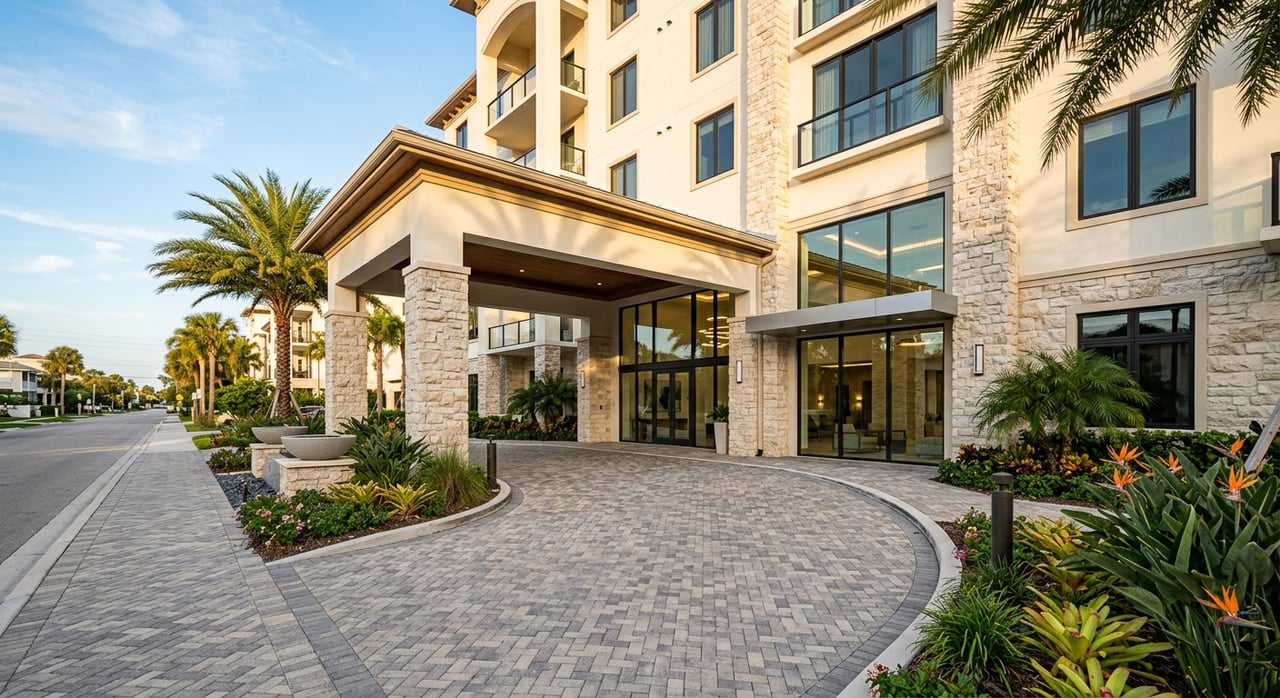
Picture this: you wake up, step onto your lanai, and check the water before you even make coffee. That is part of the appeal of condo ownership on Marco Island. If you are thinking about buying here, you probably want more than a pretty view. You want to know what daily life actually feels like, what costs to expect, and what details matter before you commit. Let’s dive in.
Daily Life on Marco Island
Owning a condo on Marco Island often means trading exterior upkeep for easier access to the things that draw people to the island in the first place. Instead of handling yard work and many exterior maintenance tasks yourself, you are typically living in a community where the association manages common elements and shared amenities.
That shift can make everyday life feel simpler, especially if you are buying a second home or want a more lock-and-leave property. The experience is often centered on beach time, boating, shared amenities, and the convenience of building-level services.
Beach Access Shapes the Lifestyle
Beach access is a major part of condo living on Marco Island. The island’s county public beach access points are South Marco Beach Access and Tigertail Beach Park. For visitors without a Collier County Resident Beach Parking Permit, both charge $10 per day.
Each beach access point offers a slightly different experience. South Marco Beach Access includes parking and restrooms, while Tigertail adds a playground, picnic area, restrooms, shelling, birdwatching, and tidal-pool exploration. South Marco does not allow dogs, which is one small example of how the details can shape your routine.
If your building has direct beach access, that can change your day-to-day experience in a big way. If it does not, you will want to think carefully about how often you plan to go and how easy it is to get there from your building.
Boating Can Matter Just as Much
For many buyers, boating access is every bit as important as beach access. Collier Boulevard Boating Park is a popular launch point just north of the Marco Island bridge, while Caxambas Park provides public access to the Northern Ten Thousand Islands or the Gulf of Mexico.
If you own a boat, or plan to, a condo’s location can affect your routine more than you might expect. Some buyers focus on the unit itself first, but the real lifestyle fit may come down to how quickly you can get on the water and whether the community offers marina or dock access.
Condo Communities Often Feel Like Resorts
Many Marco Island condo buildings offer more than just a place to live. They are designed around shared lifestyle features that can make the property feel closer to a resort community than a traditional residential building.
For example, Cozumel at Cape Marco includes direct beach access, a heated pool, spa, fitness center, sauna, billiards room, social room, tennis courts, clubhouse, gated entry, covered parking, and storage. That kind of amenity package can make a big difference if you want your building to support how you spend your time, not just where you sleep.
Other communities bring a similar all-in-one feel. Cape Marco sits at the southern tip of the island with views of the Ten Thousand Islands, Caxambas Pass, and the Gulf of Mexico. In Shipp’s Landing, amenities include pools and spas, a marina, a fishing dock, a protected beach, a kayak launch, tennis and pickleball, bocce, fitness space, and social areas.
That is why many buyers say Marco Island condo living feels like joining a lifestyle campus. You are not only buying square footage. You are also buying into a shared setting, amenity package, and building culture.
Floor Plans Vary More Than You May Think
Marco Island condos are not all large luxury residences, and they are not all compact vacation units either. The range is wider than many buyers expect.
In South Seas, recent examples include a 2-bedroom, 2-bath condo of about 1,047 square feet and another 2-bedroom, 2-bath unit of about 1,132 square feet with a split floor plan and balcony access from both the primary suite and living room. These kinds of layouts can work well if you want a manageable footprint with practical everyday livability.
On the other end of the spectrum, a recent Cape Marco Monterrey unit measured 1,978 square feet and included a spacious office used as a third bedroom. Nearby sales in the same building included 2-bedroom units around 1,820 square feet and a 3-bedroom unit around 2,832 square feet.
Across these examples, one thing stays consistent: lanais, balcony access, and water or beach views are central to the ownership experience. On Marco Island, buyers often decide based on view orientation and indoor-outdoor flow just as much as bedroom count.
What Ownership Really Includes
One of the biggest advantages of condo ownership is that the association is generally responsible for common elements. Under Florida condominium law, the association is responsible for maintaining common and structural property, and it also has the right to enter units during reasonable hours when needed for maintenance, repair, or replacement work.
That can be helpful, but it also means condo ownership is more structured than owning a single-family home. You are part of an association, and that comes with budgets, rules, maintenance schedules, reserve planning, and shared decision-making.
It is also important to know what the association does not cover. Under the same legal framework, owners remain responsible for personal property and many interior items such as appliances, cabinets, coverings, and window treatments. That distinction matters when you review insurance and long-term ownership costs.
Reserves and Inspections Matter
This is one of the most important parts of buying a condo on Marco Island. Coastal condo living can be appealing, but the financial and structural health of the building deserves close attention.
Florida law requires certain condominium associations to complete a structural integrity reserve study, or SIRS, at least every 10 years for buildings that are three habitable stories or higher. The study covers major items including the roof, structure, fireproofing, plumbing, electrical systems, waterproofing or exterior painting, windows and exterior doors, and other deferred-maintenance items above the statutory threshold.
According to the Florida Department of Business and Professional Regulation FAQs, unit-owner-controlled associations existing on or before July 1, 2022 had to complete a SIRS by December 31, 2025. An association with a milestone inspection due on or before December 31, 2026 may complete the two together, but not later than December 31, 2026.
For you as a buyer, this means reserve studies and inspection reports are not side issues. They are part of the building’s official records and must be provided to prospective purchasers. They can tell you a lot about whether a building is planning proactively or facing potential cost pressure.
Monthly Fees Are Only Part of the Story
It is easy to focus on the purchase price and monthly condo fees, but those numbers do not always tell the full story. The state also warns that waiving reserves can lead to unanticipated special assessments, and reserve rules now limit waiving required SIRS reserves.
That means an older building with a lower purchase price may not automatically be the better value. If reserves are underfunded or major projects are coming, your future carrying costs could be higher than expected.
This is why document review matters so much with Marco Island condos. Beyond the listing photos and finishes, you want to understand the annual budget, reserve study, milestone-inspection status, and any special assessments or planned capital projects.
Building Rules Can Change the Experience
Not every Marco Island condo community works the same way. Rules around pets, guests, parking, and leasing can vary sharply from one building to another.
For example, South Seas requires guests to be preauthorized. Other communities may be more flexible or more restrictive, depending on the building and association structure.
That is why it is risky to assume all island condos offer the same ownership experience. If you have a specific lifestyle goal, like bringing guests often, owning a pet, or using the property part-time, the rules need to match how you plan to live.
Who Marco Island Condo Living Fits Best
Marco Island condo ownership tends to work especially well if you want a low-maintenance property with strong access to the water, beach, and shared amenities. It can be a good fit for a primary residence, second home, or seasonal retreat, depending on the building and your goals.
It may also appeal to you if you value convenience and want exterior maintenance handled at the association level. At the same time, it is best for buyers who are comfortable living within a community framework where rules, reserves, and shared costs are part of ownership.
In other words, the condo lifestyle here is not just about ease. It is about balance. You gain convenience, amenities, and location benefits, while also taking on the realities of association governance and building-level financial health.
How to Buy Smarter on Marco Island
If you are seriously considering a condo on Marco Island, it helps to evaluate each property through two lenses at once: the lifestyle lens and the building lens.
On the lifestyle side, think about:
- Beach access
- Boating access
- Amenity package
- View orientation
- Floor plan and lanai usability
- Seasonal or full-time living goals
On the building side, review:
- Condo declaration and rules
- Annual budget
- Reserve study
- Milestone-inspection status
- Special assessments
- Planned capital projects
- Insurance responsibilities
When you look at both sides together, you get a much clearer picture of what ownership will actually feel like after closing.
Marco Island condo living can be a wonderful fit when the building, finances, rules, and lifestyle all line up with your goals. If you want thoughtful guidance as you compare communities, review condo details, and find the right fit for your needs, reach out to Jennifer Rosenwald, Realtor.
FAQs
What is daily life like in a Marco Island condo?
- Daily life often centers on beach access, boating, shared amenities, and lower exterior maintenance compared with owning a single-family home.
What beach access options are available on Marco Island?
- Marco Island’s county public beach access points are South Marco Beach Access and Tigertail Beach Park, each with different features and a $10 daily parking fee for visitors without a Collier County Resident Beach Parking Permit.
What amenities do Marco Island condo communities often include?
- Many communities include amenities such as pools, fitness spaces, social rooms, gated entry, tennis, pickleball, marina access, kayak launches, and beach access, depending on the property.
What should buyers review before purchasing a Marco Island condo?
- Buyers should review the condo declaration, rules, annual budget, reserve study, milestone-inspection status, special assessments, and any planned capital projects.
Why do reserves and inspections matter for Marco Island condos?
- Reserves and inspections help you understand a building’s financial planning and structural maintenance needs, which can affect monthly costs, special assessment risk, and long-term ownership experience.
Do all Marco Island condo buildings have the same rules?
- No. Pet, guest, parking, and leasing rules can vary significantly by building, so you should verify the policies for any community you are considering.