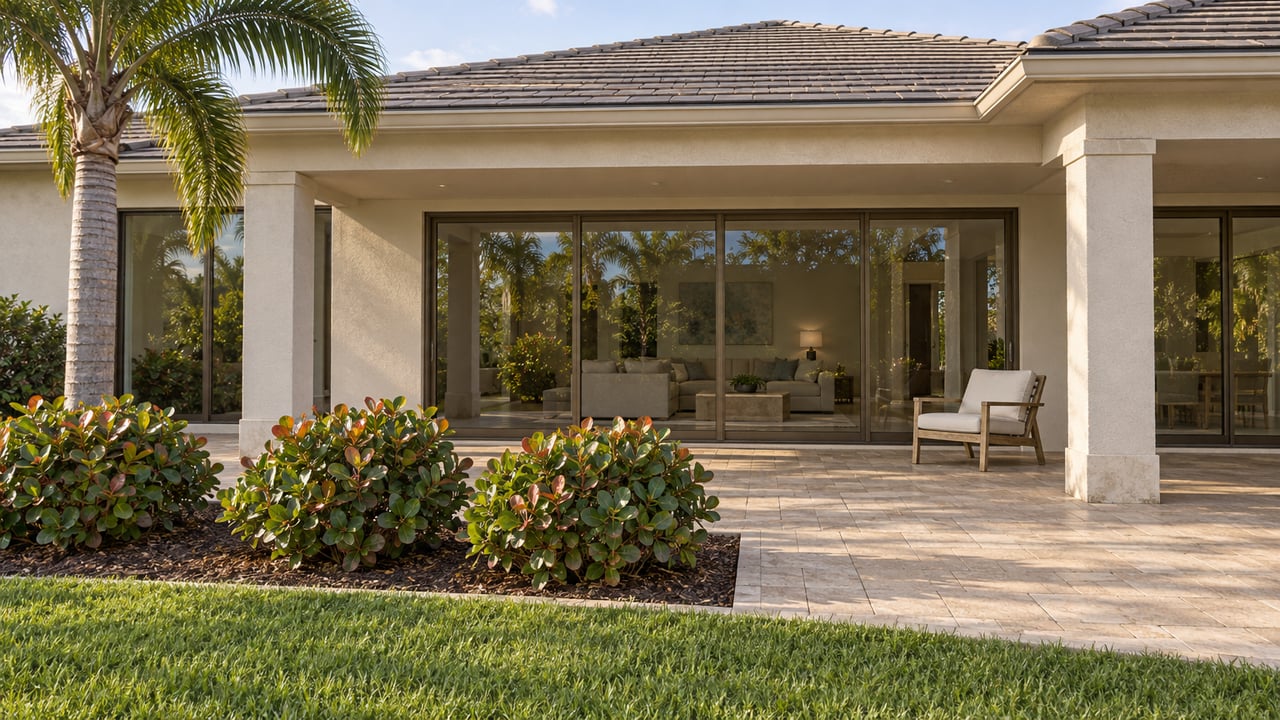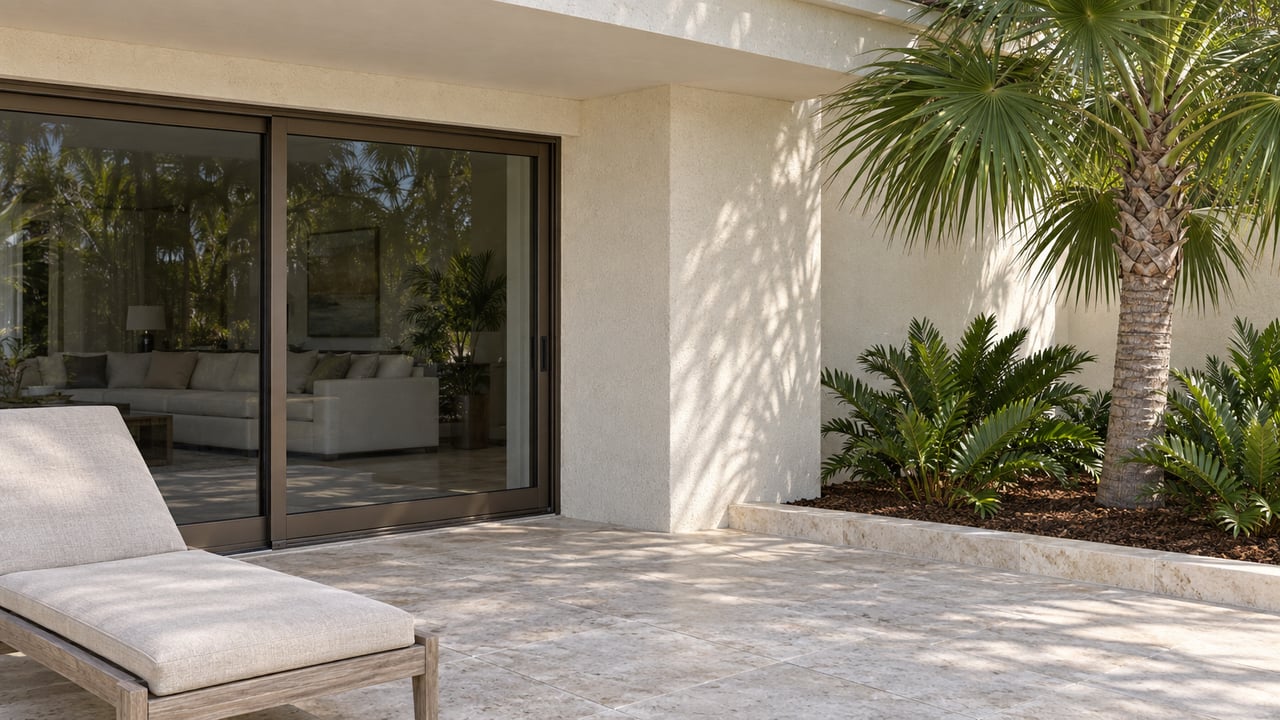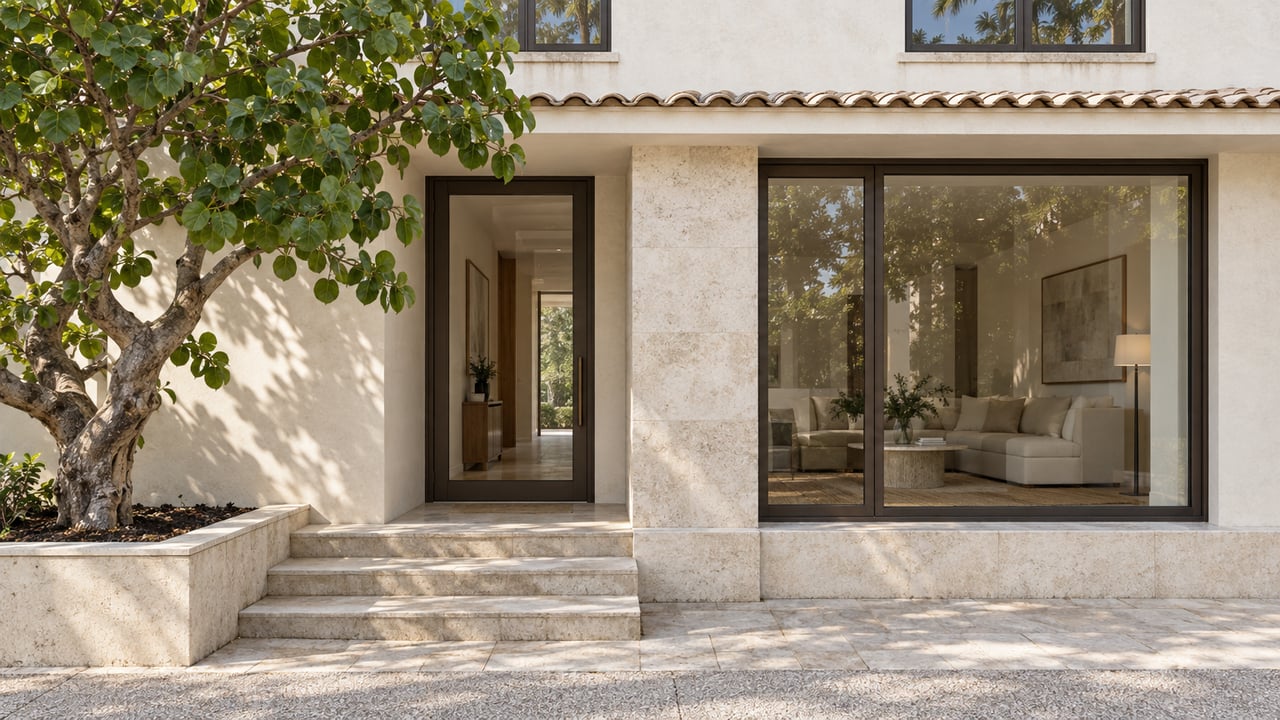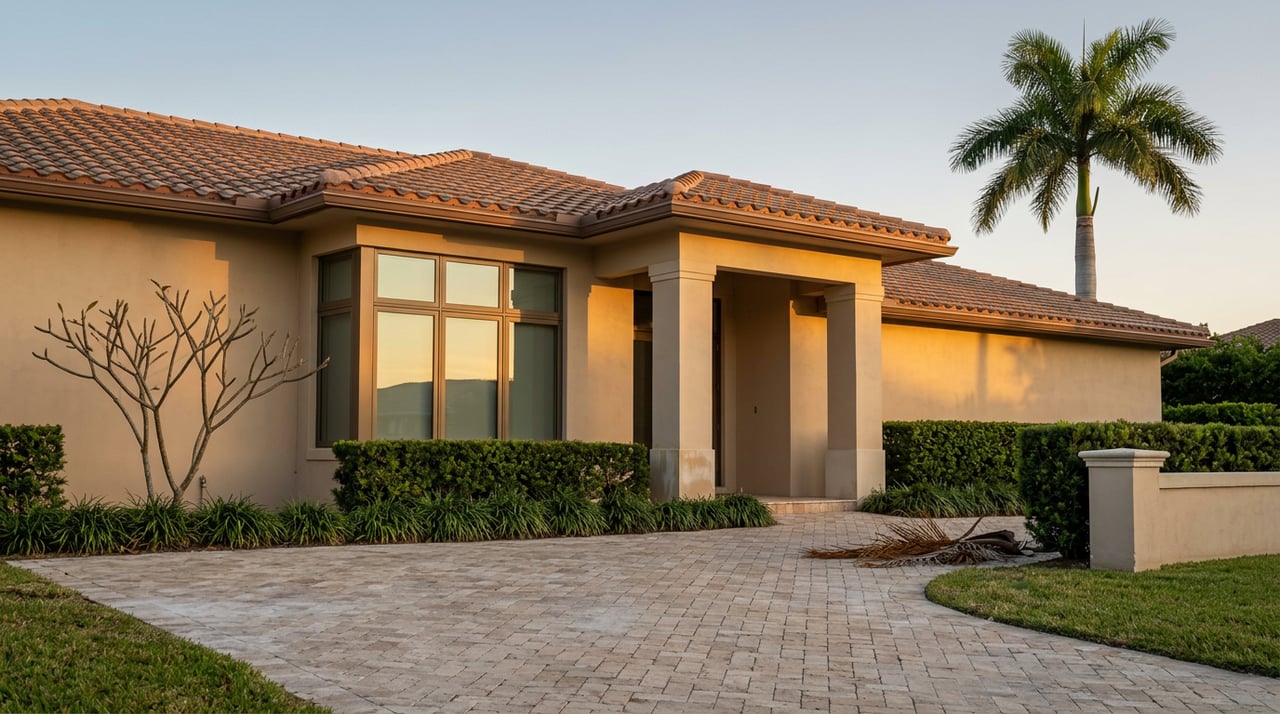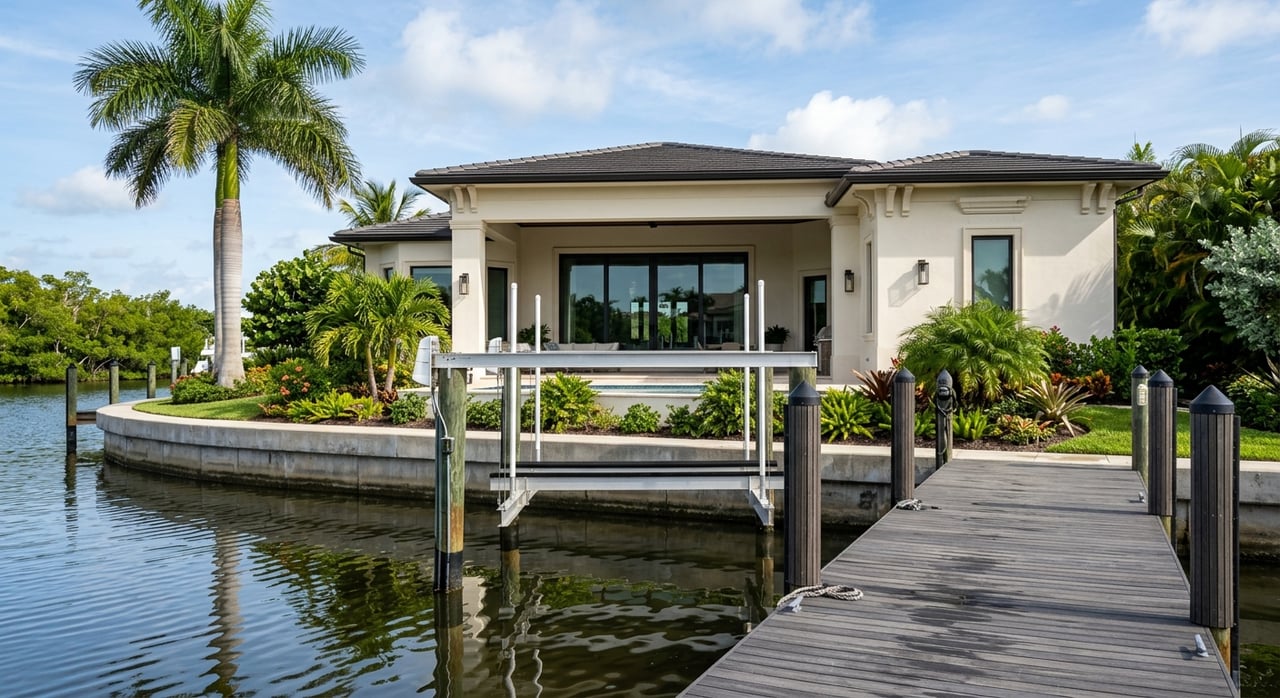
Are you picturing a backyard dock, sunset water views, and easy boating access when you think about Cape Coral? That vision can absolutely be part of canal-front living here, but the details matter more than many buyers expect. If you are considering a waterfront home in Cape Coral, understanding canal type, boating route, property features, and ongoing upkeep can help you buy with confidence. Let’s dive in.
Why Cape Coral canal-front living stands out
Cape Coral is not a city that simply happened to grow around water. It was planned and built as a canal community, with construction beginning in 1958 and more than 160 canal miles completed by 1963. Today, the city has about 400 miles of canals, which makes waterfront living a defining part of the local housing market.
That water network does more than create scenic views. According to city materials, Cape Coral’s canal system supports flood control, water quality, irrigation storage, recreation, habitat, and property value. For you as a buyer, that means a canal-front home is both a lifestyle purchase and a property tied to a larger infrastructure system.
Know the two main canal types
One of the first questions to ask is whether a home sits on a freshwater canal or a saltwater canal. This distinction affects shoreline features, boating use, and what improvements you may need or want over time. It is one of the most important factors in comparing waterfront homes in Cape Coral.
Freshwater canals
Freshwater canals are part of an engineered storage network that uses weirs, pumping stations, and interconnections to help manage stormwater and support irrigation during drier periods. These canals are not just decorative. They play a practical role in how the city manages water.
On freshwater parcels, seawalls are not required by the city. City guidance points owners toward alternative shoreline treatments and littoral planting in many cases. If you like the idea of a quieter waterfront setting and do not need Gulf access from your backyard, a freshwater home may fit your goals.
Saltwater canals
Saltwater canals are often the focus for buyers who want direct boating access toward the Caloosahatchee River and beyond. These homes may already include marine features like a seawall, dock, lift, or canopy, or they may need some of that work after purchase.
On non-freshwater parcels, seawall permitting involves additional review, and the city treats marine improvements as regulated structures. That means a saltwater property can offer stronger boating appeal, but it can also come with more infrastructure questions during your home search.
Boating access is not the same everywhere
A common mistake is assuming that all canal-front homes offer the same kind of boating lifestyle. In Cape Coral, access is route-specific. Two homes may both be listed as canal-front, yet one may have a very different path to open water than the other.
City boating information notes that many canals have direct access to the Caloosahatchee River and the Gulf. At the same time, other routes connect to inland freshwater canal and lake networks. In other words, the water behind the home is only part of the story.
Cape Coral also has 161 bridges citywide. If you own or plan to buy a boat, bridge clearance, vessel height, beam, and the full route from dock to open water all deserve a close look. Travel time can vary quite a bit based on location.
A useful local benchmark is Rosen Park, where the city notes the saltwater launch offers Gulf access and sits about 11.2 statute miles from the Sanibel Causeway Bridge. That does not define every route, but it shows why distance on a map does not always tell you how long it may take to reach open water.
Florida also requires a boating safety course for people born on or after January 1, 1988. If boating is part of your plan, it is smart to confirm both the property’s route and your own readiness before you buy.
What many canal-front homes include
Cape Coral’s housing stock is still largely made up of detached homes. The city’s baseline housing analysis shows the market is roughly 80% single-family and 20% multifamily. For buyers, that means canal-front living here is often centered on single-family homes rather than a condo-heavy waterfront experience.
That said, the term canal-front can describe very different property setups. One home may be on a freshwater lot with natural shoreline treatment. Another may sit on a saltwater canal with a seawall and dock already in place. A third may have the right location but still need marine improvements before it is truly boat-ready.
Marine improvements to review
If you are evaluating a canal-front property, check whether it has:
- A seawall
- A dock
- A boatlift
- A boat canopy
- Permit history for waterfront improvements
Cape Coral maintains permit guides for these features, and some approvals require more detailed documentation. If a property already has these improvements, you will want to understand whether they were properly permitted and what condition they are in.
Flood and insurance review matter early
Flood review should happen near the beginning of your search, not at the end. The city states that most residents live in a Special Flood Hazard Area. Flood insurance is required for many property owners, and it is available to all Cape Coral properties.
Cape Coral also participates in FEMA’s Community Rating System at Class 5. Even with that rating, your specific costs can vary based on the home’s flood zone, elevation, and other property details. That is why it is important to compare not only list price, but also the likely ownership costs tied to flood exposure.
If you are considering updates after closing, this matters too. In Special Flood Hazard Areas, repairs and substantial improvements require permits. Before making an offer, confirm the flood zone, ask about elevation information, and review likely insurance implications.
Shoreline upkeep is part of ownership
Living on a canal can be beautiful, but it also comes with ongoing responsibilities. Some of these are visible, like landscaping near the water. Others are less obvious, such as dredging, shoreline regulations, and water-quality considerations.
Cape Coral is advancing a citywide dredging program to restore depth and maintain navigability. According to the city, this work is funded through the Stormwater Fund, with stormwater fees collected on annual property tax bills and an annual $2 million allocation for dredging work. For buyers, that is a reminder that canal ownership connects to broader city maintenance efforts.
The city also notes that mangrove trimming and removal are regulated. On freshwater canals, seawalls are not required, and the back ten-foot buffer above the waterline is considered an important water-quality area. These details can affect how you landscape, maintain, or improve your yard along the canal edge.
Wildlife is another everyday part of waterfront living. City guidance references birds, fish, manatees, oysters, barnacles, and other species as part of the canal environment. If you enjoy living close to nature, that may be a plus. It also means you should expect a real working waterfront environment, not just a polished water view.
Landscaping affects the canal too
Near the water, landscaping choices are about more than looks. Cape Coral’s Go Native program explains that runoff from yards directly affects the canal network. The city’s waterfront guidance recommends low-maintenance planting near the shoreline to help reduce fertilizer use and keep grass clippings out of canals.
For you as a homeowner, this can shape both your maintenance routine and your long-term costs. A yard that works well with the canal environment may be easier to maintain and better aligned with the city’s water-quality goals.
If you plan to trailer a boat
Not every buyer wants a dock setup at home. If you plan to trailer your boat instead, it is worth understanding local ramp costs as part of your lifestyle budget. Cape Coral’s improved ramps charge a $15 daily fee, while residents and Cape Coral-based businesses can purchase annual or two-year decals.
This may seem like a small detail, but it can help you compare options. A home without a dock may still work well for your needs if the launch routine, storage plan, and access points fit your lifestyle.
A smart framework for buying canal-front in Cape Coral
When you tour homes, it helps to follow a simple decision framework. Start with the water itself, then move outward to access, infrastructure, and recurring costs. That order mirrors the issues the city emphasizes in its own waterfront guidance.
1. Confirm the canal type
Ask whether the property is on a freshwater or saltwater canal. This affects seawall expectations, shoreline treatment, and the kind of boating access you can realistically use.
2. Map the actual boating route
Do not rely only on a listing description. Measure the route from the property to the Caloosahatchee River, Matlacha Pass, or other intended boating destination, and account for bridges along the way.
3. Review waterfront infrastructure
Check whether the home has a seawall, dock, lift, or canopy. Then ask for permit history so you can understand what is already in place and whether any additional work may be needed.
4. Verify flood details
Before you compare two waterfront homes on price alone, confirm flood zone, elevation, and likely insurance costs. This step can shape your monthly budget as much as mortgage or tax figures.
5. Budget for ongoing ownership
Canal-front living includes shoreline care, landscaping decisions, possible marine upkeep, and citywide water-management factors like dredging and stormwater-related costs. These are part of the ownership picture, not side notes.
Final thoughts for Cape Coral buyers
Canal-front living in Cape Coral can be an amazing fit if you want water views, boating potential, and a distinctly Southwest Florida lifestyle. The key is to look beyond the photo of the backyard and understand how each property functions. The best waterfront purchase is not just the prettiest home on the canal. It is the one that matches how you want to live, boat, maintain, and budget.
If you are weighing waterfront options in Cape Coral and want a calm, personalized look at what fits your goals, Jennifer Rosenwald, Realtor can help you compare properties with both the lifestyle and the practical details in mind.
FAQs
What does canal-front mean in Cape Coral?
- In Cape Coral, canal-front can mean several different property types, including homes on freshwater canals, homes on saltwater canals, and properties with or without features like seawalls, docks, lifts, or canopies.
What is the difference between freshwater and saltwater canals in Cape Coral?
- Freshwater canals are part of the city’s engineered water-storage system and do not require seawalls, while saltwater canals are more often tied to boating access toward the Caloosahatchee River and Gulf routes and may involve different shoreline and permitting requirements.
Do all Cape Coral canal homes have Gulf access?
- No. Boating access in Cape Coral is route-specific, so some canal-front homes connect toward the Gulf while others connect to inland freshwater canal and lake systems.
What should buyers check about boating access in Cape Coral?
- You should verify the actual route from the property, expected travel time, bridge clearances, and whether your vessel size works with that route before buying a canal-front home.
Are flood zones important for Cape Coral waterfront homes?
- Yes. The city says most residents live in a Special Flood Hazard Area, so buyers should confirm flood zone, elevation, permit implications, and likely flood insurance costs early in the process.
Are seawalls required on Cape Coral canal properties?
- Not always. The city says seawalls are not required on freshwater canals, while non-freshwater parcels may involve seawall permitting and other marine-improvement regulations.
What ongoing costs come with canal-front living in Cape Coral?
- Ownership costs can include flood insurance, shoreline maintenance, landscaping designed for canal water quality, marine structure upkeep, stormwater-related charges, and boating access costs such as ramp fees if you trailer a boat.