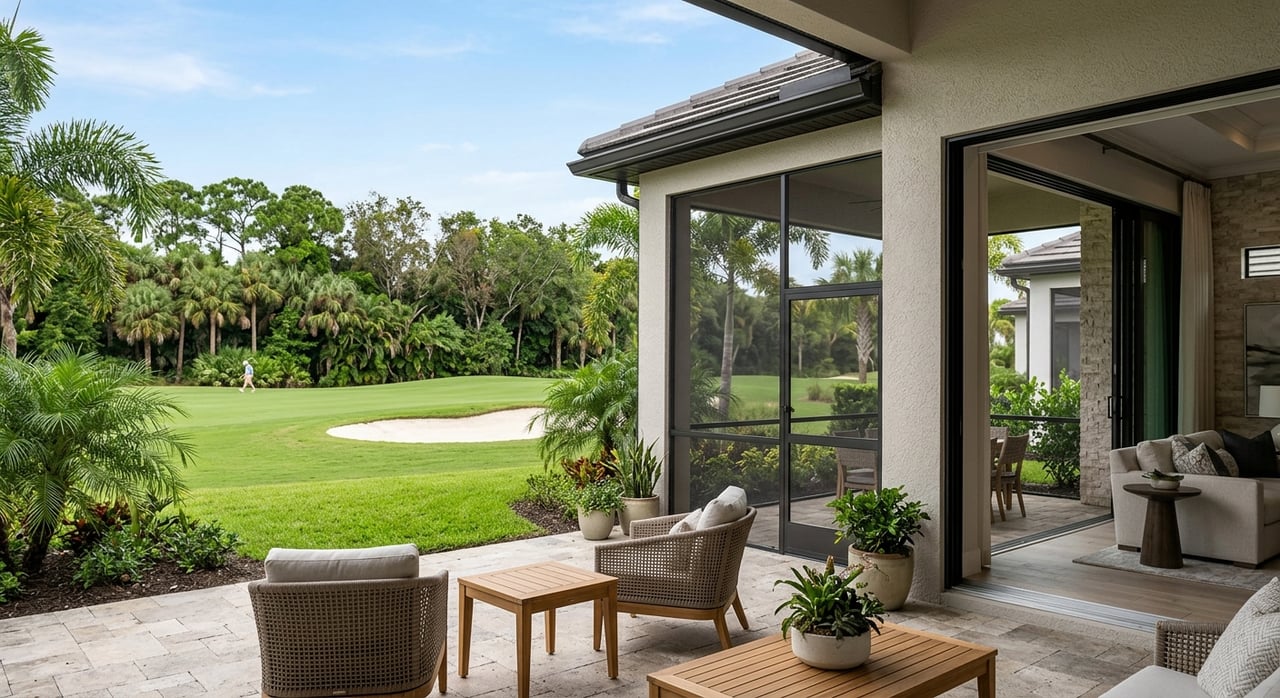
Thinking about a move to Fort Myers? It is easy to focus on palm trees, sunshine, and a fresh start, but a smart relocation plan also needs room for budgets, flood zones, insurance questions, and Florida contract timelines. If you want your move to feel organized instead of overwhelming, this roadmap will help you understand what to do before your first trip, what to evaluate once you are here, and how to move from offer to closing with more confidence. Let’s dive in.
Start With the Fort Myers Market
Before you book a flight or map out neighborhoods, it helps to understand the market you are stepping into. Recent public data for the three months ending April 2026 showed a median Fort Myers sale price of $349,819, with homes averaging about 63 days on market. Zillow also reported 4,051 homes for sale as of April 30, 2026.
That matters because inventory can give you room to compare options instead of rushing into the first property that looks promising online. Public trackers also suggest Fort Myers is not especially competitive right now, with homes averaging about two offers and selling in roughly two months. For a relocating buyer, that can create more space for due diligence and better decision-making.
Plan Before Your First Visit
Set Your Budget Early
Your relocation process should begin long before you tour homes. The Consumer Financial Protection Bureau recommends checking your credit, reviewing your finances, setting a budget, and gathering your paperwork before you start shopping.
That preparation gives you a clearer price range and helps you avoid falling in love with homes that do not fit your monthly comfort level. If you are moving from out of state, this step is especially important because taxes, insurance, and closing costs may look different in Florida than they do where you live now.
Get Preapproved Before Touring
Preapproval can strengthen your position as a serious buyer. It shows sellers that you have already taken an important financing step, even though preapproval is not the same thing as a full loan approval.
It is also worth knowing that preapproval does not lock you into one lender. Once you find the right home, you can still request official loan offers and compare Loan Estimates before choosing the lender that works best for you.
Schedule Your Trip With Weather in Mind
Fort Myers house hunting is not only about where you want to live. It is also about when you visit and how prepared you are for local conditions.
NOAA says Atlantic hurricane season runs from June 1 through November 30. Lee County also notes that local flood risk mainly comes from tropical storms, hurricanes, coastal wave surge, and sheet flow. If your first trip falls during that window, build in a little flexibility so weather does not derail your plans.
Understand Buyer Agreements in Florida
If you are relocating from another state, Florida may handle the early touring process differently than you expect. Florida Realtors says a written buyer agreement must be entered into before touring a home when MLS participants are working with buyers.
This agreement is also where compensation and representation are discussed. Instead of treating that conversation as awkward or last minute, it helps to handle it upfront so you know who is representing you, what services are being offered, and how the relationship will work.
Use Your Visit to Verify, Not Just Browse
Check Flood Risk by Address
A home can look perfect in photos and still bring major insurance or construction considerations. In Fort Myers, flood diligence should be part of every serious home search.
FEMA’s Flood Map Service Center is the official source for flood-risk products, and Lee County says its flood maps are constantly evolving. Lee County also offers a Find My Flood Zone tool so you can check a property by address instead of relying on assumptions.
In Lee County, flood zones can affect both insurance premiums and construction standards. The county says A and V zones fall within the Special Flood Hazard Area, and most mortgage lenders require flood insurance in those zones.
Ask Insurance Questions Early
Insurance should not be an afterthought in Southwest Florida. A home that fits your budget at first glance may feel very different once flood and wind-related costs are added into the monthly picture.
Lee County participates in the National Flood Insurance Program and the Community Rating System. That means flood insurance is available through the NFIP, and premium discounts may be available through the county’s CRS participation. As you narrow your list, ask for insurance information early so you can compare homes with a realistic view of total cost.
Separate Lifestyle Appeal From Home Performance
Your first trip is the right time to ask two different questions. First, do you like the home and the area? Second, does the property work financially and structurally for your goals?
That distinction matters in a coastal market. A beautiful home may still require careful review of flood exposure, insurance costs, roof condition, and other property-specific factors that affect long-term ownership.
Move From Shortlist to Offer Carefully
Compare Lenders After You Find the Home
Once you identify the right property, the lending process becomes more detailed. The Consumer Financial Protection Bureau advises buyers to request official loan offers after finding the home and to compare Loan Estimates before choosing a lender.
This is an important second phase of financing. Preapproval gets you in the game, but comparing formal offers helps you choose the financing terms that best fit your move.
Know What the Contract Does and Does Not Include
Florida contracts are highly deadline-driven, and relocating buyers need to pay close attention. Florida Realtors says deadlines in the standard FR/Bar contract are counted in calendar days, while the CRSP contract uses business days. If a deadline lands on a weekend or holiday, it extends to the next business day.
That sounds simple, but it can affect inspections, appraisal timing, insurance quotes, and document signing. If you are coordinating your move from another state, clear communication and close deadline tracking can make the difference between a smooth transaction and a stressful one.
It is also important to know that a buyer does not automatically get a three-day right to cancel after acceptance. Florida Realtors also notes that appraisal protections or other exit rights do not exist unless they are written into the contract.
Protect Yourself With the Right Contingencies
If a property needs work, the inspection contingency can determine whether you may cancel without penalty. The Consumer Financial Protection Bureau advises buyers to schedule an independent home inspection as soon as possible after choosing a home and to attend if they can.
The inspection is different from the appraisal required by most lenders. Florida Realtors also notes that the core FR/Bar contract does not include an appraisal-to-price contingency unless the buyer adds one. In other words, you should not assume those protections are automatic.
Track Financing and Closing Separately
One detail can surprise out-of-state buyers. Florida Realtors notes that extending the closing date does not automatically extend the financing contingency.
If your lender needs more time, your contract deadlines may still need separate attention. This is one reason early planning and consistent communication matter so much in a Florida relocation purchase.
Prepare for a Smoother Closing
Review Closing Costs and Documents
As closing approaches, your focus will shift from home search to paperwork and final numbers. The Consumer Financial Protection Bureau says the closing phase includes underwriting documents, homeowner’s insurance, title insurance, revised Loan Estimates, and careful review of your closing forms.
Once you sign, you are responsible for the mortgage. That is why it is worth reviewing each document carefully rather than treating closing day as a formality.
Understand Title Insurance
Most lenders require lender’s title insurance, according to the Consumer Financial Protection Bureau. Owner’s title insurance protects your equity instead.
The CFPB also suggests shopping for closing services. If your schedule allows, the beginning or middle of the month may be easier than the end, since closing service providers are often busier late in the month.
Budget for Florida Documentary Stamp Taxes
Florida has state-specific closing costs that should be part of your planning. The Florida Department of Revenue says that outside Miami-Dade County, deeds are taxed at 70 cents per $100 of consideration, while promissory notes and mortgages are taxed at 35 cents per $100.
For relocating buyers, this is one of those line items that is easy to miss if you are only comparing purchase prices. A full budget should account for both recurring ownership costs and one-time closing expenses.
Use Remote Signing When Available
If you are buying from out of state, you may not need to be physically present for every part of the process. Florida law authorizes online notarizations, and the Florida Department of State maintains remote online notarization resources.
Florida Realtors also notes that Florida does not require a closing to occur in the same county as the property. When your lender and title team support it, that flexibility can make relocation logistics much easier.
Watch for Wire Fraud Risks
Closing comes with one more important step: staying alert. The Consumer Financial Protection Bureau warns that mortgage closing scams often involve fake last-minute emails that claim your wiring instructions have changed.
Treat any surprise change with caution. Confirm wiring instructions through trusted contacts you already know, and never rely only on an email that appears at the last minute.
Handle the First 30 Days After Closing
Apply for Homestead If Eligible
If your Fort Myers home will be your primary residence, do not wait too long to look into tax benefits. Lee County says the homestead exemption deadline is March 1, and you must own and occupy the property as a bona fide Florida resident on January 1 to qualify for that year.
The county also notes that the exemption can reduce taxable value by up to $50,000. Save Our Homes may also cap assessed-value increases, which can matter over time.
Update Your License and Registration
Your move is not fully complete when you get the keys. New Florida residents must obtain a Florida driver license within 30 days of establishing residency.
Florida also says out-of-state registrations generally must be converted within 10 days when the owner becomes employed, enrolls a child in public school, or establishes residency. Putting these steps on your post-closing checklist can help your transition feel more settled and organized.
A Simple Fort Myers Relocation Checklist
If you want to keep your move focused, start here:
- Review your credit, finances, and paperwork
- Get preapproved before touring homes
- Sign a written buyer agreement before showings when required
- Schedule your Fort Myers trip with weather flexibility
- Check flood risk by property address
- Ask for insurance quotes early
- Compare Loan Estimates after you choose a home
- Read contract deadlines carefully
- Schedule an independent home inspection quickly
- Review title, insurance, and closing documents in detail
- Confirm wire instructions through trusted contacts
- Apply for homestead if the home will be your primary residence
- Update your Florida license and vehicle registration after the move
Fort Myers can be an exciting place to put down roots, whether you are relocating for a lifestyle change, a new job, or a fresh chapter in Southwest Florida. The key is to pair the excitement of the move with careful planning around financing, flood diligence, insurance, and contract timing so your purchase feels informed from the beginning.
If you are preparing for a move and want a calm, personalized approach to buying in Southwest Florida, Jennifer Rosenwald, Realtor is here to help you navigate the process with clarity and confidence.
FAQs
What should you do before visiting homes in Fort Myers?
- Start by reviewing your credit, setting a budget, gathering financial documents, and getting preapproved so you can shop with a clear plan.
Why does flood zone research matter when buying in Fort Myers?
- Flood zones can affect insurance premiums, lender requirements, and construction standards, so you should verify risk by the property’s exact address.
Do you need a buyer agreement before touring homes in Florida?
- Florida Realtors says a written buyer agreement must be entered into before touring a home when MLS participants are working with buyers.
Does a Florida home contract automatically include an appraisal contingency?
- No. Florida Realtors notes that the core FR/Bar contract does not include an appraisal-to-price contingency unless that protection is added.
Can you cancel a Florida home purchase within three days of acceptance?
- No automatic three-day cancellation right applies after acceptance, so any exit rights need to be written into the contract.
Can an out-of-state buyer close remotely on a Fort Myers home?
- In some cases, yes. Florida law allows online notarizations, and remote signing may be possible when the lender and title team support it.
What is the homestead exemption deadline in Lee County, Florida?
- Lee County says the deadline is March 1, and the property must be owned and occupied as your Florida primary residence on January 1 to qualify for that tax year.