Are you thinking about buying a Fort Myers property that can work for both your lifestyle and your balance sheet? That idea is appealing for a reason. In the right location, a seasonal rental can give you personal-use value, measurable winter demand, and a property you can enjoy for years to come. The key is knowing where demand comes from, what the rules look like, and how to underwrite the slower months realistically. Let’s dive in.
Why Fort Myers Draws Seasonal Rental Demand
Fort Myers and the broader Lee County market continue to attract a strong flow of winter visitors. In January through March 2025, the area recorded 782,000 visitors and 1,482,100 room nights, with vacation rentals accounting for 27% of those room nights. That is a meaningful share of the lodging mix and an important signal for lifestyle investors.
Booking behavior also matters. Visitor tracking shows that 27% of travelers planned trips three to six months ahead, while 20% planned six months or more in advance. In early 2024, 22% of visitors used Airbnb, Vrbo, or similar sites when planning their trips, which tells you that online visibility plays a real role in performance.
That said, Fort Myers is not a flat, year-round rental market. Seasonality is part of the story, and your numbers should reflect that from the start.
Seasonality Matters More Than Hype
If you only look at peak-season rates, it is easy to overestimate income. In Lee County, condo, cottage, and vacation-home occupancy averaged 33.5% from April through June 2024 and 26.8% from July through September 2024. Those figures show why conservative assumptions matter.
For many buyers, a Fort Myers seasonal rental works best as a hybrid. You may use it personally, capture stronger winter demand, and still see moderate occupancy in the off-season. That usually makes the property more about lifestyle plus income support, not nonstop cash flow.
This is where disciplined underwriting becomes important. Vacancy, cleaning costs, taxes, insurance, and storm prep can have just as much impact as your nightly rate.
What Lifestyle Investors Should Underwrite
A smart purchase starts with realistic expectations. Instead of building your plan around the highest advertised rent, focus on the full operating picture.
Here are a few basics to build into your analysis:
- Stronger demand in winter and shoulder season
- Weaker occupancy in summer months
- Cleaning and turnover expenses
- Licensing and business tax costs
- State and local transient rental taxes
- Furnishing and replacement costs
- Flood insurance and storm preparation
A seasonal rental in Fort Myers can still make sense, but the best opportunities tend to be the ones that hold up even when summer bookings soften.
Fort Myers Rules to Check First
Before you fall in love with a property, confirm that the intended use is allowed. In Florida, a vacation rental is treated as a public lodging establishment, and qualifying vacation rentals must obtain a state license from the Division of Hotels and Restaurants. Licensed vacation-rental agents must also maintain the division’s online account and accurate contact information.
It is also important not to assume that long-term rental rules apply to short-term use. The City of Fort Myers states that its residential rental standards do not apply to vacation rentals. That distinction matters because investors sometimes review the wrong set of rules.
If you are looking near the beach, remember that Fort Myers Beach is a separate municipality with its own short-term rental code. Those rules include occupancy and quiet-hours standards, and they may also connect rental rights to condominium declarations, bylaws, and community rules.
Taxes and Carrying Costs to Budget Early
Taxes are one of the easiest places to make a costly mistake. In Lee County, a transient rental of six months or less is generally subject to Florida’s 6% state sales tax, Lee County’s 0.5% discretionary sales surtax, and Lee County’s 5% local transient rental tax, also known as the tourist development tax.
These taxes are separate from normal ownership costs. They should be part of your underwriting from day one, not something you deal with after closing. Florida also notes that the usual $5,000 surtax cap does not apply to transient rentals.
At the county level, operators generally need a Lee County Business Tax Account before doing business. If the unit is furnished, rental furnishings and appliances may also create tangible personal property tax exposure. That means your carrying cost may include far more than a mortgage, HOA dues, and utilities.
Best Areas for Seasonal Rental Appeal
In the Fort Myers area, demand tends to follow the places that naturally fit a visitor’s trip. That usually means beach and island locations, downtown and riverfront settings, and golf-oriented areas.
Official destination materials highlight Fort Myers Beach as a beach town with resorts, restaurants, beach parks, and a strong visitor identity. Downtown’s River District is described as a historic, revitalized area with dining, arts, and an active street scene. The McGregor Boulevard corridor adds another layer, with its historic character and connection to the Fort Myers Country Club.
For a lifestyle investor, the real question is simple: what is the rental story? Properties that can clearly offer beach access, walkability, golf access, or easy access to Southwest Florida attractions often have a more obvious guest audience.
River District and McGregor Appeal
If you are drawn to urban energy and historic character, the River District and nearby McGregor-area properties may stand out. These locations can appeal to guests who want dining, arts, riverfront atmosphere, and a classic Fort Myers setting.
That can be a different guest profile than a beach-first traveler. It may be less about stepping onto the sand and more about convenience, local flavor, and a central base for enjoying the area.
Beach and Island Appeal
Fort Myers Beach and nearby island markets tend to attract travelers who prioritize a beach-focused stay. If the main draw is shoreline access and a vacation setting, that rental story is easy for guests to understand.
That does not automatically make every beach-area property the better investment. You still need to confirm local rules, ownership restrictions, carrying costs, and property condition.
Golf and Amenity Appeal
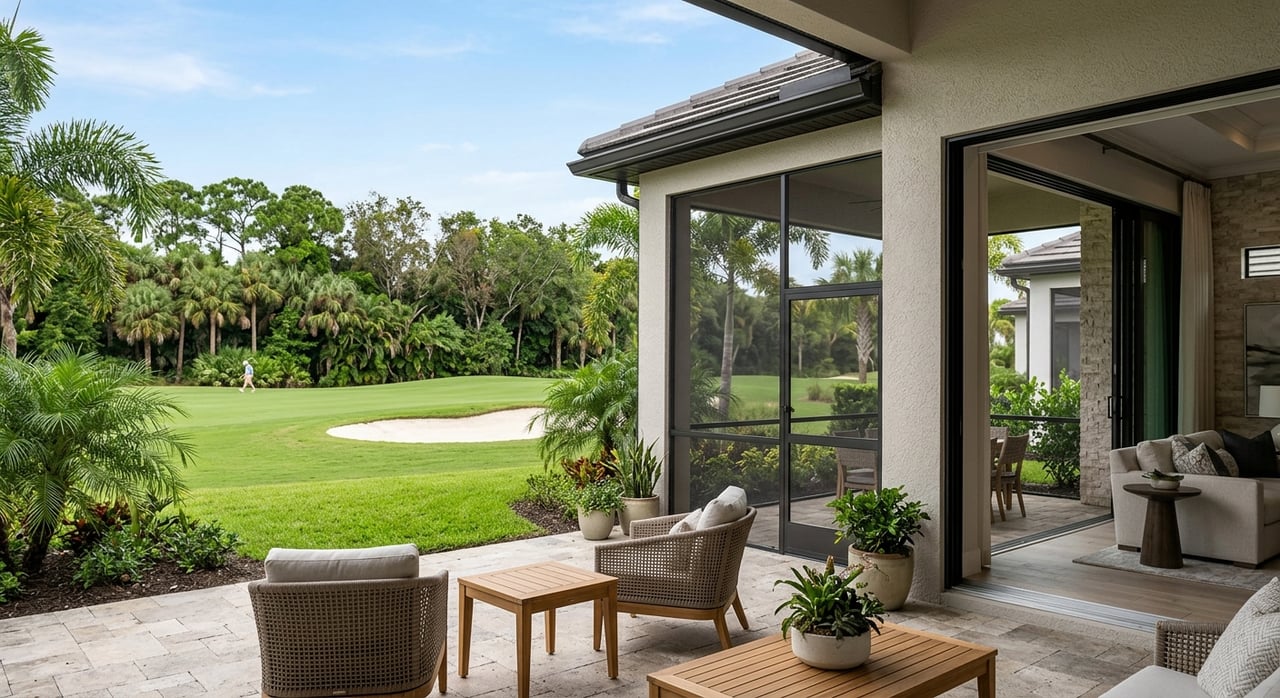
The Fort Myers area also leans into golf as part of its visitor appeal. For some travelers, golf access, a pool, and low-maintenance living can be just as compelling as direct beach access.
That is one reason condos, villas, and easy-care single-family homes in amenity-rich areas often draw investor attention. They can be easier to position for both personal enjoyment and guest use.
Match the Property to the Guest
Not every seasonal rental needs to be large. In January through March 2025, the average Fort Myers-area travel party was 2.6 people, and the average length of stay in paid accommodations was 7.4 nights. That points to steady relevance for one- to three-bedroom condos and homes.
This is helpful when comparing layouts and price points. A well-located two-bedroom condo may fit actual traveler behavior better than a larger property with higher overhead and a less compelling location.
In other words, buying bigger is not always buying smarter. Fit matters more than excess.
Amenities That Support Bookings
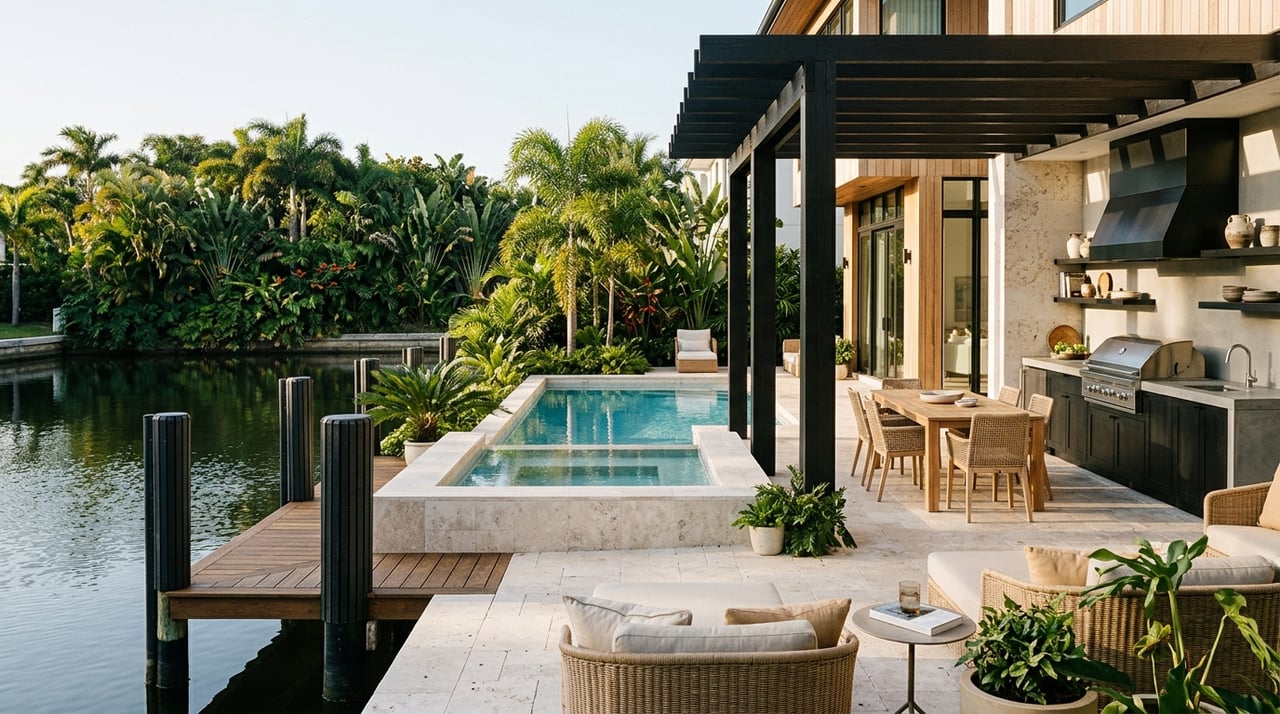
Guest expectations are shaped by comfort and convenience. Airbnb’s current host guidance lists commonly searched amenities such as a pool, wifi, free parking, air conditioning or heating, a kitchen, hot tub, washer or dryer, self check-in, TV or cable, and a BBQ grill.
Basics matter too. Essentials like toilet paper, soap, towels, pillows, and linens may sound simple, but they are part of the guest experience. In a market where many visitors stay for a week or longer, those details can influence reviews and repeat bookings.
For Fort Myers, this means your property should feel usable for an extended stay. Guests are often looking for a comfortable home base, not just a place to sleep.
Your Listing Is Part of the Product
A seasonal rental does not compete on location alone. It also competes through photos, calendar management, amenity descriptions, and clear expectations.
That matters because three out of four visitors used websites and apps to plan trips to the Fort Myers area in early 2024. With a meaningful share also using Airbnb, Vrbo, or similar channels, the quality of your listing can directly affect conversion.
Think of the digital presentation as your first showing. If the photos are weak, the amenities are vague, or the booking calendar is messy, you may lose interest before a guest ever reaches out.
Operations Can Make or Break Performance
Owning the property is only part of the job. Operating it well is what protects the guest experience and supports future bookings.
Platform guidance emphasizes a tidy space, stocked essentials, clear checkout instructions, responsive communication, parking guidance, and clear house rules. In a market with weeklong or longer stays, these basics become even more important.
Good operations also help reduce friction with neighbors and guests. That is especially valuable in shared buildings or communities where quiet hours, parking expectations, and common-area rules can affect the overall experience.
Storm Risk Should Be in the Plan
In Southwest Florida, weather is not a side issue. Lee County states that hurricane season runs from June 1 through November 30, and evacuation clearance can take up to 41 hours.
From an ownership standpoint, that means storm prep should be part of your operating plan before you buy. You should also account for flood insurance, since flood coverage is generally separate from standard homeowners insurance.
For lifestyle investors, this is one more reason to look beyond purchase price. Insurance, readiness, and guest communication during storm season all affect the real cost of ownership.
A Smarter Way to Think About Fort Myers Seasonal Rentals
The strongest seasonal rental purchases in Fort Myers usually share a few traits. They have a clear location story, the ownership structure allows the intended use, and the numbers still make sense when you account for seasonal swings.
If you are buying with both personal enjoyment and income in mind, that balance can be a real advantage. You are not just chasing a peak-season rate. You are choosing a property that fits how you want to live, visit, and invest in Southwest Florida.
When you want local guidance on Fort Myers, Fort Myers Beach, and the wider Southwest Florida market, Jennifer Rosenwald, Realtor offers a personal, knowledgeable approach to finding the right lifestyle property.
FAQs
What makes Fort Myers attractive for seasonal rentals?
- Fort Myers benefits from strong winter and shoulder-season visitor demand, and vacation rentals accounted for 27% of room nights in January through March 2025.
What taxes apply to seasonal rentals in Lee County?
- For transient rentals of six months or less, Lee County rentals are generally subject to Florida’s 6% state sales tax, Lee County’s 0.5% discretionary sales surtax, and Lee County’s 5% local transient rental tax.
Do Fort Myers vacation rentals need a license?
- Yes. Florida treats qualifying vacation rentals as public lodging establishments, and they must obtain a state license from the Division of Hotels and Restaurants.
Are Fort Myers Beach rental rules the same as Fort Myers rules?
- No. Fort Myers Beach is a separate municipality and has its own short-term rental code, including rules related to occupancy, quiet hours, and in some cases condominium documents.
What property types often fit Fort Myers seasonal rental demand?
- Based on average travel party size and stay length, one- to three-bedroom homes and condos often align well with typical visitor demand.
What amenities matter most in a Fort Myers seasonal rental?
- Features like a pool, wifi, parking, air conditioning, kitchen, laundry, self check-in, and well-stocked essentials can support guest comfort and booking appeal.
Why should Fort Myers investors underwrite conservatively?
- Occupancy can drop meaningfully in the summer, so buyers should plan for slower months rather than base projections only on peak winter performance.
How does hurricane season affect seasonal rental ownership in Fort Myers?
- Hurricane season runs from June 1 through November 30 in Lee County, so buyers should budget for storm prep, flood coverage, and a guest communication plan.