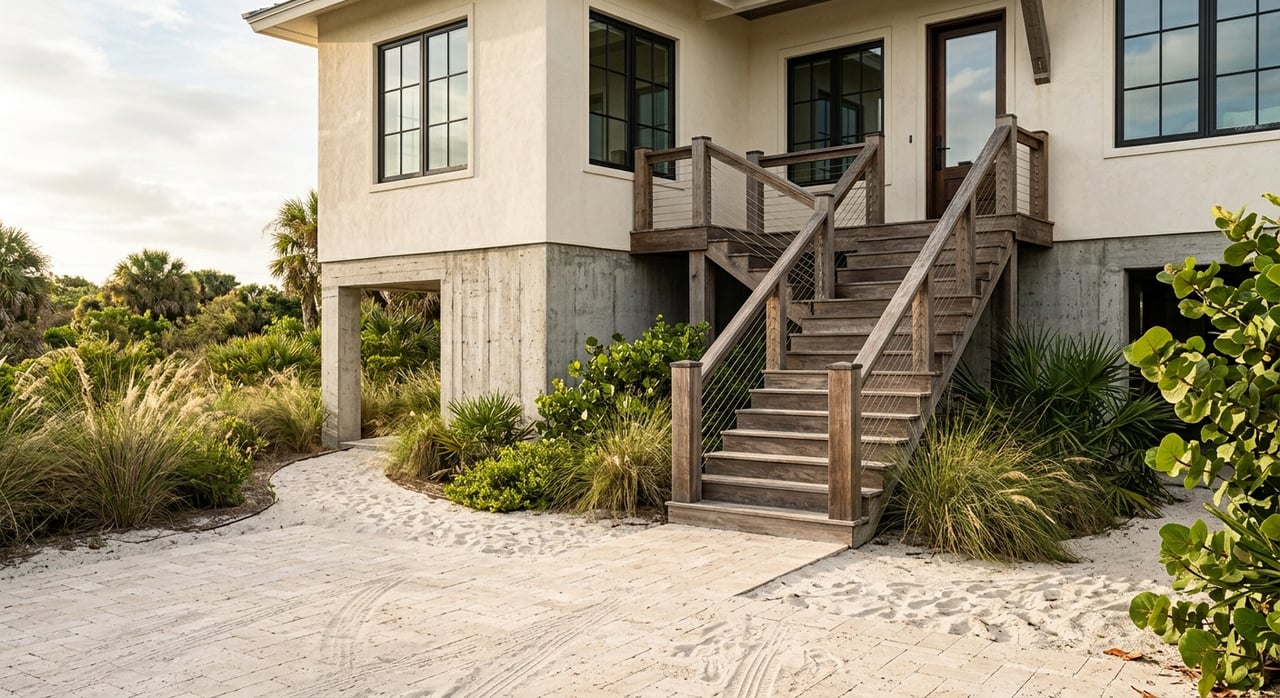
Living steps from the Gulf sounds like the dream, and in Fort Myers Beach, it can be. But owning a home near the sand here is about more than the view from your porch or how quickly you can get your toes in the water. If you are considering a primary home, second home, or rental-minded purchase, it helps to understand how access, parking, zoning, flood rules, and day-to-day island logistics can shape your experience. Let’s dive in.
Beach Living Feels Different Block by Block
Fort Myers Beach stretches across an island community with seven miles of white sandy Gulf beach, 29 public beach accesses, and Estero Boulevard as the only thoroughfare running through the island. That setup creates the walkable coastal lifestyle many buyers want, but it also means traffic flow and beach activity are part of daily life.
If you are looking close to the sand, the exact block matters. A home near downtown or a major public access point can feel lively and convenient, while a home on a quieter residential stretch may offer a different pace with less foot traffic passing by.
Lee County describes Lynn Hall Memorial Park as a lively Gulf-front area next to Times Square and adjacent to shopping and restaurants. That is a helpful reminder that some of the most walkable areas are also among the busiest.
Proximity Means More Than Distance
When buyers say they want to be near the beach, they often mean more than a short walk. In Fort Myers Beach, proximity also affects how easy it is to move around without a car, how much visitor activity you may see, and how your guests or service providers will access the area.
Some beach accesses include public parking, and many are ADA accessible by mobi mat or ramp. At the same time, several accesses on Estero Island, specifically #37 through #43, are foot-traffic only and do not provide parking areas.
That can create an interesting tradeoff. A house may feel perfectly placed for you as an owner, yet still present parking challenges for visitors, maintenance vendors, or weekend guests.
Property Types Near the Sand Vary
One of the biggest misconceptions about Fort Myers Beach is that beach-close housing is all the same. The town’s zoning code shows a more varied mix, with single-family areas, older neighborhoods with duplex, multifamily, or mobile home patterns, and districts intended for a wide variety of multifamily residences.
In practical terms, near-the-sand living might mean:
- A single-family detached home
- A condo near a beach access
- A duplex or cottage in an older neighborhood pattern
- A multifamily property
- A parcel in a redevelopment or mixed-use area
This matters because the character of a property can change quickly from one street to the next. Closer to the busiest beach corridors, you may be more likely to encounter mixed-use or flexible zoning patterns rather than a straightforward single-family setting.
Downtown and Redevelopment Areas Have Their Own Rhythm
Fort Myers Beach includes redevelopment and village areas designed around pedestrian movement. The town’s code references concepts like low-rise townhouses or apartments, mixed commercial and residential uses along the bay side of Estero Boulevard, and a park-once downtown pattern.
For you as a buyer, that means lifestyle fit is key. If you want to walk to beach activity, shops, and dining, those areas may be especially appealing. If you prefer a more tucked-away feel, you may want to focus on residential stretches farther from the main public nodes.
Parking Is a Daily Ownership Question
Parking is one of the most important practical issues to understand before you buy. Lee County says parking at beach parks may be limited and varies by location, with first-come, first-served use and no reserved parking or reserved spaces.
The Town of Fort Myers Beach also operates paid parking in designated areas. So even if you own very close to the sand, your daily routine may still involve guest parking rules, paid parking areas, or limited options during busy periods.
This is worth thinking through early, especially if you expect frequent visitors or plan to use the home seasonally. A great location on paper can feel very different once you account for where everyone will park.
Jurisdiction Can Affect Permits and Rules
A Fort Myers Beach mailing address does not always mean the property falls under the town’s jurisdiction for every issue. The town notes that some properties on San Carlos Island and nearby areas may have a Fort Myers Beach postal address but still be located in unincorporated Lee County.
That matters because permitting may go through the county building division rather than the town. It is a small detail that can have a big effect when you are planning repairs, renovations, or improvements.
Town parking permits also have specific eligibility limits. Resident and business permits are only for residents and business owners on Estero Island bridge-to-bridge, and Lee County beach parks such as Lynn Hall, Crescent Beach, and Bowditch are excluded from those town permits.
Flood Zones Deserve Close Attention
Near-the-sand ownership in Fort Myers Beach comes with real flood-planning considerations. The town’s flood information says VE zones are more restrictive than AE zones, and the latest flood maps became effective on November 17, 2022.
The updated mapping also includes a Coastal A Zone and LiMWA. The town directs buyers to verify the exact address on FEMA’s map service because the more restrictive flood zone controls.
This is one of the clearest examples of why two homes with similar beach access can come with very different ownership requirements. Before you fall in love with a property, it is smart to understand exactly how the flood designation may affect future work and ownership costs.
Building Standards Are a Major Part of Coastal Ownership
If you are buying a home that may need updates, or considering new construction, local building rules matter. The town says the lowest floor for new construction or substantial repairs generally must be elevated to base flood elevation plus 1 foot.
The town also continues to enforce FEMA’s 50 percent substantial improvement or substantial damage rule. In addition, all structures in the town are in a wind-borne debris region, so exterior openings need approved protection such as impact-resistant windows, doors, or shutters.
These are not small details. They can influence renovation scope, budget, timeline, and even whether a project makes sense for your goals.
Lighting and Coastal Design Rules May Apply
Closer to the water, design review can become more specific. The town states that lighting plans are required for structures waterward of the Coastal Construction Control Line, which runs near Estero Boulevard for most of the island.
Those plans must comply with Sea Turtle Conservation Ordinance 22-11, and the town inspects exterior lighting after dark before issuing certain occupancy approvals. If you are planning exterior changes, this is another reason to verify exactly what applies to the parcel you are considering.
The Beach Environment Is Managed and Evolving
It is easy to think of the shoreline as a fixed amenity, but Fort Myers Beach is an active coastal system. The town’s Environmental Sciences page says staff monitor water quality, conduct habitat restoration, and support beach sand renourishment.
Lee County facility pages also note construction-related limitations at some beach sites, including the Lynn Hall area and certain Estero Island access points. In other words, the beach experience can shift over time based on restoration, access improvements, and coastal management work.
For buyers, that is not a reason to hesitate. It is simply a reminder to approach ownership with clear expectations and current, property-specific information.
Rental Plans Need Parcel-Specific Verification
If rental income is part of your strategy, do not assume the same rules apply everywhere on the island. The town’s 2026 short-term rental page says all rental properties on Fort Myers Beach must be registered with the town, and a valid short-term rental registration is required before operating.
The zoning code also notes that weekly rental restrictions do not apply to land between Estero Boulevard and the Gulf of Mexico, or to land directly adjoining the bay side of Estero Boulevard. That means rental flexibility can vary based on exact parcel location and zoning.
For condo buyers, there may be additional building-specific procedures, including opt-out procedures referenced by the town on its 2026 portal. If you are buying with personal use and rental potential in mind, this is one of the most important due diligence items on your list.
Beach Rules Still Shape Daily Life
Owning near the sand also means knowing how the beach itself is regulated. The town says open fires are prohibited on the beach and in the Little Estero Critical Wildlife Area, and no fires are allowed during sea turtle nesting season.
Lee County also prohibits alcohol, glass bottles, jet ski launching, and hammocks tied to vegetation at its beach parks. These rules may seem minor at first, but they help set expectations for how you, your guests, and any renters use the beach environment.
What Smart Buyers Focus On First
If you are comparing homes near the sand in Fort Myers Beach, start with the factors that affect daily life and long-term ownership most:
- Exact distance to the nearest beach access
- Whether that access includes parking
- How close the home is to downtown or major public nodes
- The property’s zoning and surrounding land use pattern
- Whether the address is under town or county jurisdiction
- The flood zone and any elevation implications
- Existing storm-hardening features like impact protection
- Rental registration needs and parcel-specific rental rules
A beautiful beach-close property can be a wonderful fit, but the best choice is usually the one that matches your lifestyle as well as your budget.
The Bottom Line on Owning Near the Sand
Owning a home near the sand in Fort Myers Beach can offer an exceptional coastal lifestyle. You may gain easy beach walks, strong lifestyle appeal, and the kind of setting that makes everyday routines feel a little more like a getaway.
At the same time, the smartest purchases are grounded in the realities of island living. Parking, access, zoning, flood requirements, jurisdiction, and rental rules can all shift block by block. When you understand those details up front, you are much more likely to choose a property that feels right now and works well over time.
If you are exploring Fort Myers Beach and want thoughtful guidance tailored to your goals, Jennifer Rosenwald, Realtor can help you evaluate the lifestyle, property details, and practical tradeoffs with clarity and care.
FAQs
What should buyers know about beach access in Fort Myers Beach?
- Fort Myers Beach has 29 public beach accesses, but access points vary. Some include parking and accessibility features, while some Estero Island accesses, including #37 through #43, are foot-traffic only.
What types of homes are available near the sand in Fort Myers Beach?
- Near-the-sand properties can include single-family homes, condos, duplexes, cottages, multifamily properties, and parcels in redevelopment or mixed-use areas, depending on the block and zoning.
What parking issues come with owning near the beach in Fort Myers Beach?
- Parking can be limited, first-come, first-served, and subject to town-managed paid parking rules in designated areas. Guest parking can be an important part of your buying decision.
What flood rules affect homes near the sand in Fort Myers Beach?
- The town says VE zones are more restrictive than AE zones, and buyers should verify the exact address on the flood map because the more restrictive flood zone controls.
What building requirements matter for Fort Myers Beach coastal homes?
- For new construction or substantial repairs, the lowest floor generally must be elevated to base flood elevation plus 1 foot, and structures must meet wind-borne debris protection standards for exterior openings.
What should rental-property buyers verify in Fort Myers Beach?
- Buyers should confirm town short-term rental registration requirements, parcel-specific zoning, and whether weekly rental restrictions apply to the exact property they are considering.